
Dark spots, acne marks, sun damage, uneven tone — these are the complaints that send most people looking for a pigmentation serum in the first place. The tricky part isn’t finding a product. It’s finding one that actually matches your skin and your specific concern, rather than picking whatever has the best packaging or the loudest marketing.
Skin Sciences has built out a small lineup of serums aimed at exactly this: pigmentation, dark spots, dullness, uneven tone.
What an Anti-Pigmentation Serum Actually Does
At its core, it’s a concentrated product meant to fade the look of dark spots and discoloration over time. Different serums lean on different actives — some are purely about brightening, others pair pigmentation care with hydration or gentle exfoliation.
Ingredients you’ll see again and again in this category:
- Alpha arbutin
- Niacinamide
- Vitamin C
- Tranexamic acid
- Mandelic acid
- Hydrators and antioxidants
Which one works best for you comes down to your skin, not a general ranking.
Where Pigmentation Actually Comes From
Sun exposure. UV is probably the single biggest driver of dark spots and uneven tone, which is exactly why sunscreen keeps coming up in every pigmentation conversation.
Acne marks. Once a breakout heals, it often leaves a darker mark behind. These can stick around far longer than the breakout itself.
Hormones. Shifts in hormones can trigger pigmentation issues like melasma.
Irritation. Harsh or mismatched products can irritate skin and make existing discoloration more obvious.
What to Look for in a Serum
Ingredients and formulation matter more than price tag or popularity.
Alpha arbutin shows up in most brightening formulas. Skin Sciences’ Arbiderm Alpha Arbutin Serum is built specifically around hyperpigmentation and acne marks.
Niacinamide (vitamin B3) does double duty — supporting the skin barrier while working on tone.
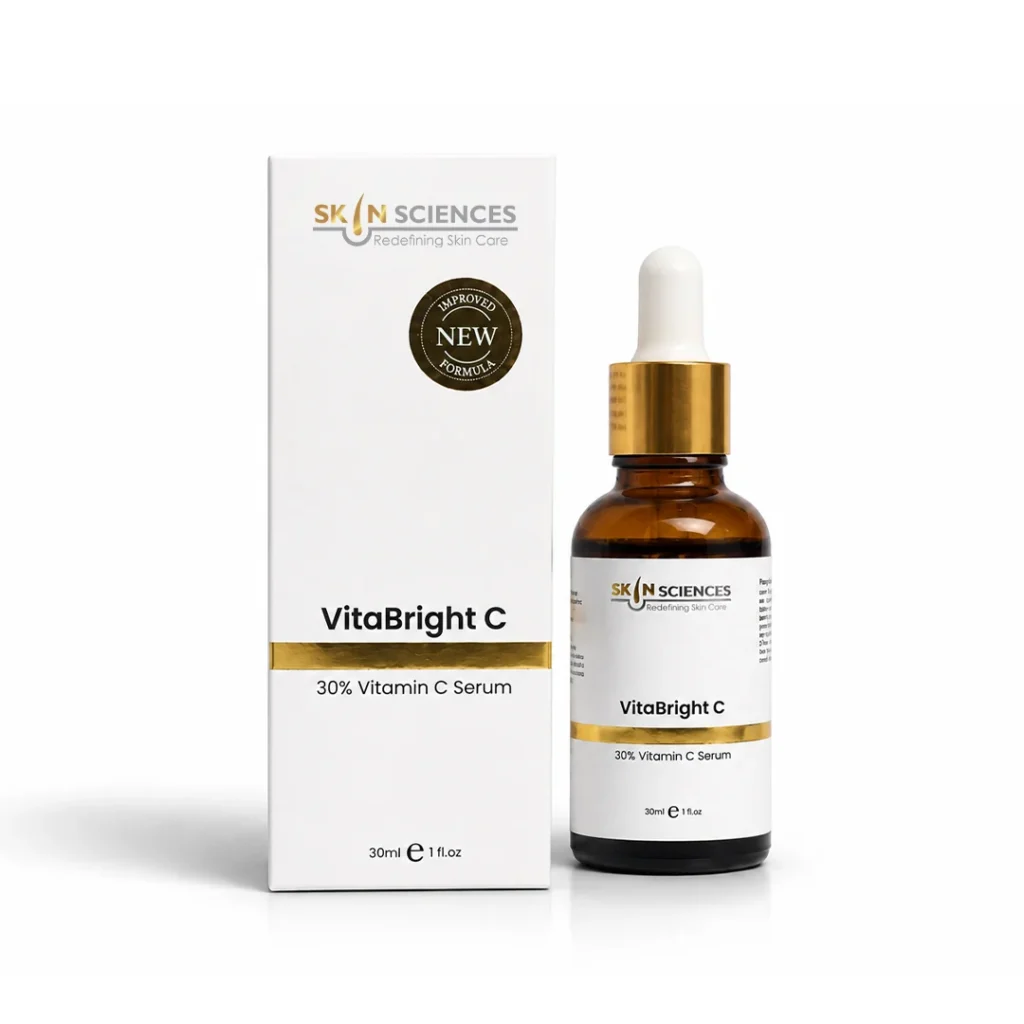
Vitamin C is the classic antioxidant for dullness and brightness. Skin Sciences’ Vitabright C targets brightening, acne, and pigmentation together.
Tranexamic acid is a newer name in pigmentation skincare. Skin Sciences’ TxA Serum pairs it with hydration.
Skin Sciences’ Serum Lineup
Rather than pushing one serum for every problem, Skin Sciences splits its range by concern: Arbiderm Alpha Arbutin Serum, TxA Serum, Vitabright C, Niaderm Niacinamide Serum, and Mandederm Mandelic Serum.
Arbiderm Alpha Arbutin Serum — for hyperpigmentation, dark spots, and acne marks specifically.
TxA Serum — targets pigmentation, dark spots, and wrinkles, with Darkout, sodium hyaluronate, allantoin, and tocopherol acetate on the ingredient list.
Vitabright C — brightening, acne control, and pigmentation in one formula.
Mandederm Mandelic Serum — mandelic acid for smoother-looking, more even skin, also positioned for acne.
Matching a Serum to Your Skin
There’s no universal answer here — it depends on what you’re actually dealing with.
- Dark spots or acne marks: alpha arbutin or another targeted brightening ingredient
- Dull skin: vitamin C
- Pigmentation plus dryness: something that combines actives with hydrating ingredients
- Oily or combination skin: a lighter serum that won’t feel heavy
- Sensitive skin: introduce actives slowly, and patch test before committing
How to Actually Use It
- Cleanse with something gentle to clear dirt and oil.
- Apply the serum to clean skin, following the amount recommended on the bottle.
- Follow with a moisturizer to lock in hydration.
- In the morning, finish with broad-spectrum sunscreen — non-negotiable if pigmentation is the goal.
Skin Sciences’ own instructions for TxA Serum follow this same order.
Will It Remove Pigmentation for Good?
No serum on the market can promise that. Pigmentation has too many possible causes, and results depend on the type you’re dealing with, your skin, the formula, how consistent you are, and how much sun exposure you’re getting. A good serum can visibly improve certain kinds of discoloration — but stubborn or severe cases are a conversation for a dermatologist, not a serum aisle.
How Long Before You See Results?
There’s no fixed timeline. It depends on the cause, the severity, and the ingredients involved. Switching products every few weeks usually does more harm than good — consistency matters more than novelty. If things get worse, change suddenly, or just don’t budge despite sticking with a routine, that’s a sign to see a dermatologist rather than try another serum.
Mistakes That Quietly Sabotage Results
- Skipping sunscreen
- Layering too many actives at once
- Over-exfoliating
- Picking at acne or dark spots
- Using more product than the routine calls for
- Switching products too often
- Expecting results in days rather than weeks
A simple routine, followed consistently, tends to outperform an elaborate one followed sporadically.
Why Sunscreen Isn’t Optional
UV exposure is a major reason pigmentation shows up and sticks around. A simple way to think about a pigmentation routine: treat, hydrate, protect — active serum, moisturizer, sunscreen.
FAQ
What’s the best anti-pigmentation serum in Pakistan?
It depends on your skin and concern. Skin Sciences covers several bases with its Alpha Arbutin, TxA, Vitamin C, Niacinamide, and Mandelic Acid serums.
What’s best for dark spots specifically?
Alpha arbutin, vitamin C, niacinamide, and tranexamic acid are the usual suspects — which one suits you depends on your skin.
Can I use it every day?
Some serums are made for daily use, others aren’t. Check the specific product’s instructions.
Do I need sunscreen with it?
Yes, every day. Sun exposure undoes a lot of the progress a serum makes.
Is Skin Sciences a good option for pigmentation?
It offers several targeted products — Arbiderm, TxA Serum, Vitabright C, and Mandederm — each built around a different angle on pigmentation and uneven tone.
How long before I see results?
There’s no fixed timeline — it depends on the cause, severity, and ingredients involved. Most people need several weeks of consistent use before any real change is visible; some pigmentation takes months.
Can I use more than one pigmentation serum at once?
Layering too many actives is one of the more common mistakes people make. It’s usually better to pick one and give it time, rather than stacking alpha arbutin, vitamin C, and tranexamic acid together.
Is pigmentation the same as melasma?
No. Melasma is one specific type of pigmentation, often linked to hormonal changes, and it can be more stubborn than sun spots or acne marks. It sometimes needs a dermatologist’s input rather than just a serum.
Will a serum work on acne scars or just dark marks?
Serums like these target the flat, discolored marks acne leaves behind — not raised or pitted scarring. Textured scarring usually needs a different kind of treatment.
Can I use a pigmentation serum with sensitive skin?
Yes, but introduce it gradually and patch test first. Starting with a lower frequency (a few times a week rather than daily) is a common approach.
Does diet or lifestyle affect pigmentation?
Sun exposure is the biggest external factor, so sunscreen and sun avoidance matter more day-to-day than diet. Hormonal and genetic factors also play a role and aren’t things a serum alone can address.
The Last Word
Pigmentation doesn’t respond to hype — it responds to consistency. Whatever serum you land on, the fundamentals stay the same: pick an active that matches your actual concern, give it time to work, and don’t skip sunscreen along the way. Skin Sciences’ range makes it easier to match the product to the problem instead of guessing, but the routine around it is what does the heavy lifting.