
Fine lines, loss of firmness, dullness, uneven texture — these are usually what send people looking for an anti-aging serum in the first place. The market doesn’t make it easy: everyone promises overnight results. In reality it’s simpler and slower than that. The right actives, used consistently over weeks and months, are what actually move the needle.
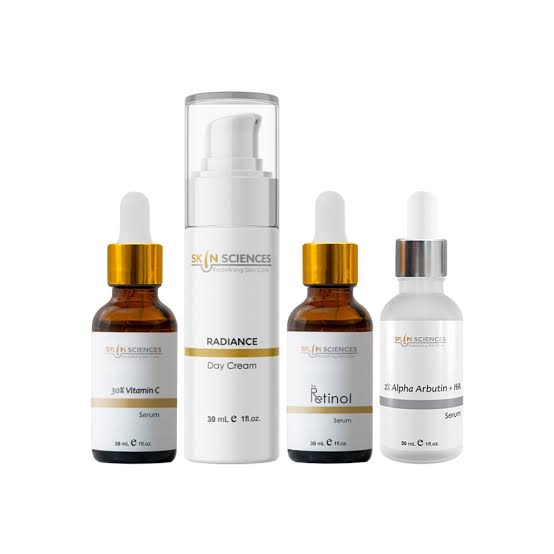
Skin Sciences’ Retinol Serum is built around exactly this, with hyaluronic acid and niacinamide serums working alongside it from different angles.
What an Anti-Aging Serum Actually Does
It’s a concentrated product aimed at the visible signs of aging — fine lines, uneven texture, dullness, loss of firmness. No single ingredient does all of this on its own. Most routines that actually work combine a few actives: something that encourages renewal, something that hydrates, something that supports the barrier.
Ingredients you’ll keep running into in this category:
- Retinol
- Hyaluronic acid
- Niacinamide
- Vitamin C
- Peptides
- Antioxidants
Which combination makes sense for you comes down to skin type, tolerance, and what you want to fix first.
Why Skin Shows Its Age
Collagen decline. Collagen and elastin production slows down naturally over the years — a big part of why skin loses firmness.
Sun exposure. UV damage speeds up fine lines and texture changes faster than age on its own usually does.
Dehydration. Skin lacking moisture shows fine lines more, especially around the eyes and mouth.
Repeated expressions. Years of the same facial movements etch lines around the eyes and forehead.
Environmental stress. Pollution and oxidative stress wear down the skin barrier over time.
What to Look For
Retinol is one of the most studied ingredients in this space. It encourages skin cell turnover, which over time helps with fine lines and rough texture. Skin Sciences‘ Retinol Serum is built around this — and like most retinol products, it’s meant to be introduced slowly so skin can build tolerance.
Hyaluronic acid holds moisture — a lot of it. Hydrated skin shows fine lines less, which is why it’s usually paired with retinol rather than swapped in for it.
Niacinamide backs up the skin barrier while helping even out tone and texture. It also softens some of the dryness retinol tends to cause early on.
Building a Routine Around These Three
No single serum covers everything — most routines layer a few, used at the right times.
- Fine lines and texture: retinol, a few nights a week to start, increasing gradually
- Dehydration and dullness: hyaluronic acid, applied to damp skin
- Barrier support and tone: niacinamide, morning or night
- Sensitive skin: go slow with retinol specifically, and lean on hydration alongside it
How to Use It
- Cleanse gently — no need to strip the skin.
- Apply hydrating or barrier serums (hyaluronic acid, niacinamide) to slightly damp skin.
- If you’re using retinol, apply it at night, two or three times a week to start.
- Moisturize to seal it all in.
- In the morning, sunscreen — non-negotiable, since retinol makes skin more sun-sensitive.
Mistakes Worth Avoiding
- Jumping straight to full-strength retinol
- Skipping sunscreen the morning after retinol
- Stacking too many strong actives at once
- Expecting visible change within days
- Switching products before giving one a fair run
- Skipping moisturizer while on retinol, which just makes irritation worse
Can It Reverse Aging?
No serum does that. What a well-formulated one can do is improve what’s visible — texture, fine lines, dullness — with consistent use. Bigger structural changes, like real loss of volume, are beyond what any topical product can fix, and that’s a dermatologist conversation, not a serum one.
How Long Until You See Something?
Retinol and similar actives usually need several weeks to a few months of steady use before anything’s noticeable, and the change builds gradually rather than showing up all at once. Most people who feel like “nothing’s working” simply switched products too early.
FAQ
What’s the best anti-aging serum in Pakistan?
Depends on your concern and skin type. Skin Sciences’ Retinol Serum is a solid starting point for fine lines and texture, often paired with hyaluronic acid or niacinamide depending on what your skin needs.
At what age should I start using one?
No fixed age — it’s about your skin, not a number. Some people start retinol or antioxidant serums in their mid-to-late twenties as prevention; others wait until fine lines or texture changes actually show up.
Can I use retinol every day?
Not at first. Two or three nights a week is the usual starting point, building up as skin adjusts — going too fast tends to cause dryness and irritation.
Do I need sunscreen with an anti-aging serum?
Yes, especially with retinol in the mix. It increases sun sensitivity, and unprotected sun exposure is already one of the biggest drivers of visible aging.
Can I use hyaluronic acid and retinol together?
Yes — they’re often paired on purpose. Hyaluronic acid helps offset the dryness retinol causes early on.
Is Skin Sciences good for anti-aging skincare?
It has a Retinol Serum plus hyaluronic acid and niacinamide serums, which work either combined or on their own depending on whether fine lines, hydration, or barrier support is the priority.
Last Word
Anti-aging skincare isn’t about finding one miracle product — it’s about picking a few actives that actually target what’s bothering you and sticking with them long enough to see a difference. Retinol does the heavy lifting on fine lines and texture, hyaluronic acid and niacinamide keep the skin comfortable enough to tolerate it, and sunscreen protects whatever progress you make. Skin Sciences’ lineup gives you the pieces — the routine and the patience are what turn them into results.
Read more….