
Sunblock is one of those products everyone buys but few people actually understand. You pick one up read SPF 30 or SPF 60 on the front and assume that’s all that matters. But there’s a bigger difference hiding on the ingredients list that decides how well it actually works for your skin. That difference is whether it’s chemical or physical.
This guide breaks down both types in simple terms so you can pick the one that actually suits your skin instead of guessing.
What Is Chemical Sunblock
Chemical sunblock is made with man-made ingredients like avobenzone and octinoxate. These ingredients soak into your skin. Once they’re in they catch the sun’s UV rays and turn them into heat. That heat then leaves your body naturally.
Because this type sinks into the skin instead of sitting on it it usually feels light. It spreads easily and doesn’t leave a thick layer behind. That’s why a lot of people prefer it under makeup.
There’s one thing you need to remember though. Chemical sunblock needs time to start working. You have to put it on about 15 to 20 minutes before you step outside. If you apply it and walk out the door right away your skin isn’t protected yet.
What Is Physical Sunblock
Physical sunblock works completely differently. Instead of soaking in it sits right on top of your skin like a shield. It’s made using natural minerals like zinc oxide or titanium dioxide. These minerals bounce UV rays away from your skin instead of absorbing them.
This means a physical sunblock starts protecting you the second you apply it. No waiting around needed.
The downside is texture. Physical sunblock tends to feel heavier and thicker. On some skin tones it can also leave behind a light white tint especially right after applying it. Newer formulas have gotten a lot better at reducing this but it can still happen with some products.
Chemical vs Physical Sunblock Side by Side
| What to Compare | Chemical Sunblock | Physical Sunblock |
| Main ingredients | Avobenzone octinoxate | Zinc oxide titanium dioxide |
| How it protects | Absorbs UV rays | Blocks and reflects UV rays |
| Time to start working | 15 to 20 minutes | Right away |
| Feel on skin | Light and smooth | Thicker may feel heavy |
| White residue | No | Sometimes yes |
| Good for | Oily or normal skin | Sensitive or acne prone skin |
Which Type Fits Your Skin
If your skin gets oily during the day a chemical sunblock is often recommended but a well-formulated physical option with oil-absorbing ingredients can work just as well without the wait time.
If your skin is sensitive or breaks out easily physical sunblock is usually the safer pick. Zinc oxide is gentle and calming which lowers the chance of irritation or new breakouts.
If your skin is dry physical formulas paired with nourishing oils tend to feel comfortable while protecting the skin barrier.
If you deal with dark spots or uneven skin tone physical sunblock has an extra advantage. It blocks visible light too not just UV rays and visible light is one of the things that makes pigmentation worse.
What to Look for When Buying Sunblock
Before picking a bottle off the shelf check for:
- Broad-spectrum protection, meaning it covers both UVA and UVB rays
- SPF 30 or higher for daily use
- Non-comedogenic labeling if you’re prone to breakouts
- A texture that matches your skin type so you’ll actually want to wear it daily
- Water resistance if you’ll be sweating or swimming
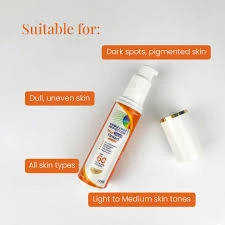
QHC’s entire sunblock range is built on physical mineral filters like zinc oxide and titanium dioxide rather than chemical ones so there’s no waiting around for it to activate. The lineup is split by skin need. Max Block SPF 60 Moisturizing Sunblock is made for dry and sensitive skin with almond oil, jojoba oil and cucumber extract for added hydration. Max Block SPF 60 Sunscreen Gel is built for oily and acne-prone skin with a lightweight gel base that controls shine. Max Block SPF 60 Tinted Sunblock blends mineral protection with a light tint for those who want coverage along with sun defense.
How to Apply Sunblock Correctly
- Apply sunblock as the last step in your morning skincare routine, after moisturizer and before makeup.
- Use about a nickel-sized amount for your face alone.
- Physical sunblock starts working right away so there’s no need to wait before heading outside.
- Reapply every two hours if you’re outdoors, and immediately after swimming or heavy sweating.
- Don’t skip your neck and ears since these areas are just as exposed to sun damage.
FAQs
Can I mix chemical and physical sunblock?
Yes, some hybrid formulas combine both types to balance texture and protection. Just avoid layering two separate sunscreens since it can overload the skin.
Does physical sunblock protect better than chemical?
Both offer similar protection levels when applied correctly. The real difference lies in texture, activation time and how your skin reacts to each.
Why does my sunblock leave a white cast?
That’s typically a sign you’re using a physical sunblock with zinc oxide. Newer micronized formulas reduce this effect significantly.
Is SPF 30 enough for daily use?
For most indoor-to-outdoor days, SPF 30 is sufficient. If you’re spending extended time outdoors, SPF 50 or higher offers extra protection.
Do I need sunblock even if I’m indoors most of the day?
Yes. UVA rays can pass through windows and contribute to skin aging even without direct sun exposure.