
Picking a moisturizer sounds simple until you stand in front of dozens of options wondering which one your skin actually needs. The wrong pick can leave oily skin looking greasy or leave dry skin still feeling tight even after applying it. The right moisturizer depends entirely on your skin type and what it’s missing.
This guide breaks it down in simple terms so you can pick a moisturizer that actually works for your skin instead of just guessing.
Why Your Skin Type Decides Everything
Every skin type loses moisture differently and needs a different kind of formula to fix it. Oily skin usually has enough natural oil but still needs hydration without extra grease. Dry skin lacks oil and moisture both so it needs something richer. Using a heavy cream on oily skin can clog pores and cause breakouts while using a light lotion on dry skin might not do much at all.
Once you know your skin type the whole process becomes a lot easier.
Oily Skin
Oily skin often looks shiny by midday and can feel heavy with visible pores. A lot of people with oily skin skip moisturizer altogether thinking it’ll make things worse but that actually backfires. Skipping it makes your skin produce even more oil to make up for the missing hydration.
What you need instead is a lightweight formula that hydrates without adding shine or clogging pores. QHC Ultra Moist Oil-Free Moisturizer
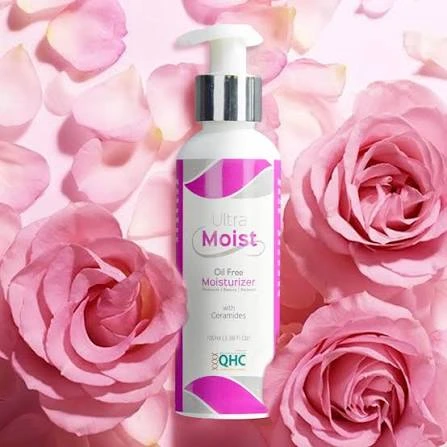
is made exactly for this. It’s a light non-comedogenic formula built for oily and combination skin that hydrates without leaving any greasy feel behind.
Dry Skin
Dry skin often feels tight rough or flaky especially after washing your face. This skin type needs a richer formula that locks in moisture and helps repair the skin barrier over time.
QHC Ultra Moist Oily Moisturizer despite the name is actually formulated as a rich hydrating option with nourishing oils like shea butter almond oil coconut oil and olive oil, making it a good fit for dry skin that needs deeper nourishment.
For skin that’s extremely dry or dealing with a damaged barrier QHC Ultra Moist Gel Moisturizer
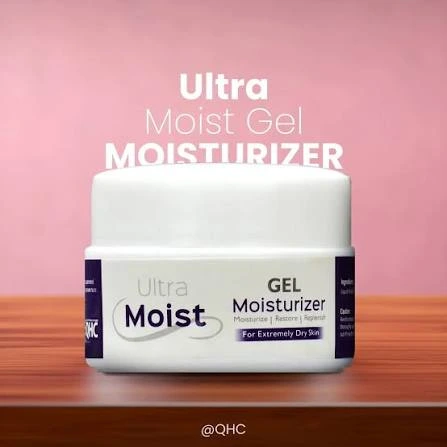
is another option. It’s built to restore the skin’s protective barrier and works well for extra dry skin that needs more intensive care.
Combination Skin
Combination skin usually means an oily T-zone with drier cheeks which makes finding the right moisturizer tricky. Too light a formula and the dry areas stay dry. Too heavy and the oily areas get worse.
A balanced formula works best here. Depending on how oily or dry your combination skin leans you can start with the Oil-Free Moisturizer if oiliness is the bigger concern or a richer formula if dryness shows up more often.
Sensitive Skin
Sensitive skin needs a moisturizer that hydrates without triggering redness irritation or breakouts. Fragrance-free and simple formulas usually work best. Always patch test a new moisturizer on a small area first before applying it to your whole face.
Your skin usually tells you what it needs if you pay attention. Shine and breakouts point toward something light and oil-free. Tightness and flaking call for a heavier cream. If nothing seems to help no matter what you try a barrier-repairing gel is worth switching to. QHC makes a version for each of these so it’s less about guessing and more about picking based on what your skin is actually asking for.
What to Check Before Buying a Moisturizer
- Look at the ingredient list not just the label claims
- Choose non-comedogenic formulas if you’re prone to breakouts
- Richer creams work better for dry skin while lighter lotions suit oily skin
- Avoid heavy fragrance if your skin tends to react easily
- Pick a texture you’ll actually enjoy applying every day since consistency matters more than the product itself
Quick Guide by Skin Type
| Skin Type | What You Need | Recommended QHC Product |
| Oily | Lightweight oil-free hydration | Ultra Moist Oil-Free Moisturizer |
| Dry | Rich nourishing formula | Ultra Moist Oily Moisturizer |
| Extra Dry | Barrier repair and deep hydration | Ultra Moist Gel Moisturizer |
| Combination | Balanced hydration | Depends on which area is more dominant |
| Sensitive | Gentle fragrance-free formula | Patch test before regular use |
How to Apply Moisturizer the Right Way
- Cleanse your face first so the moisturizer can absorb properly
- Apply it while your skin is still slightly damp since this helps lock in more hydration
- Use gentle upward strokes instead of rubbing it in harshly
- Don’t forget your neck since it’s often skipped but needs the same care
- Apply sunscreen after moisturizer during the day to protect your skin fully
Frequently Asked Questions
Can I use the same moisturizer for both day and night?
Yes for most skin types the same moisturizer works fine for both. Some people prefer a richer formula at night since the skin repairs itself while you sleep.
Why does my oily skin still feel dry after moisturizing?
This usually means the formula isn’t hydrating enough or your skin barrier needs repair. A oil-free formula with proper hydrating ingredients should fix this without adding grease.
Is it okay to skip moisturizer if my skin is oily?
No skipping it usually makes oily skin produce even more oil to compensate. A lightweight oil-free formula is the better fix.
How do I know if a moisturizer is too heavy for my skin?
If your skin feels greasy breaks out more or takes a long time to absorb the product it’s probably too rich for your skin type.
Can dry skin use a gel moisturizer instead of a cream?
Yes especially for extra dry skin that needs barrier repair. QHC’s Gel Moisturizer is formulated specifically for this kind of deep dryness.